
Delhi Blast Declared a Terror Attack; Cabinet’s Statement Signals It Could Be Considered an Act of War
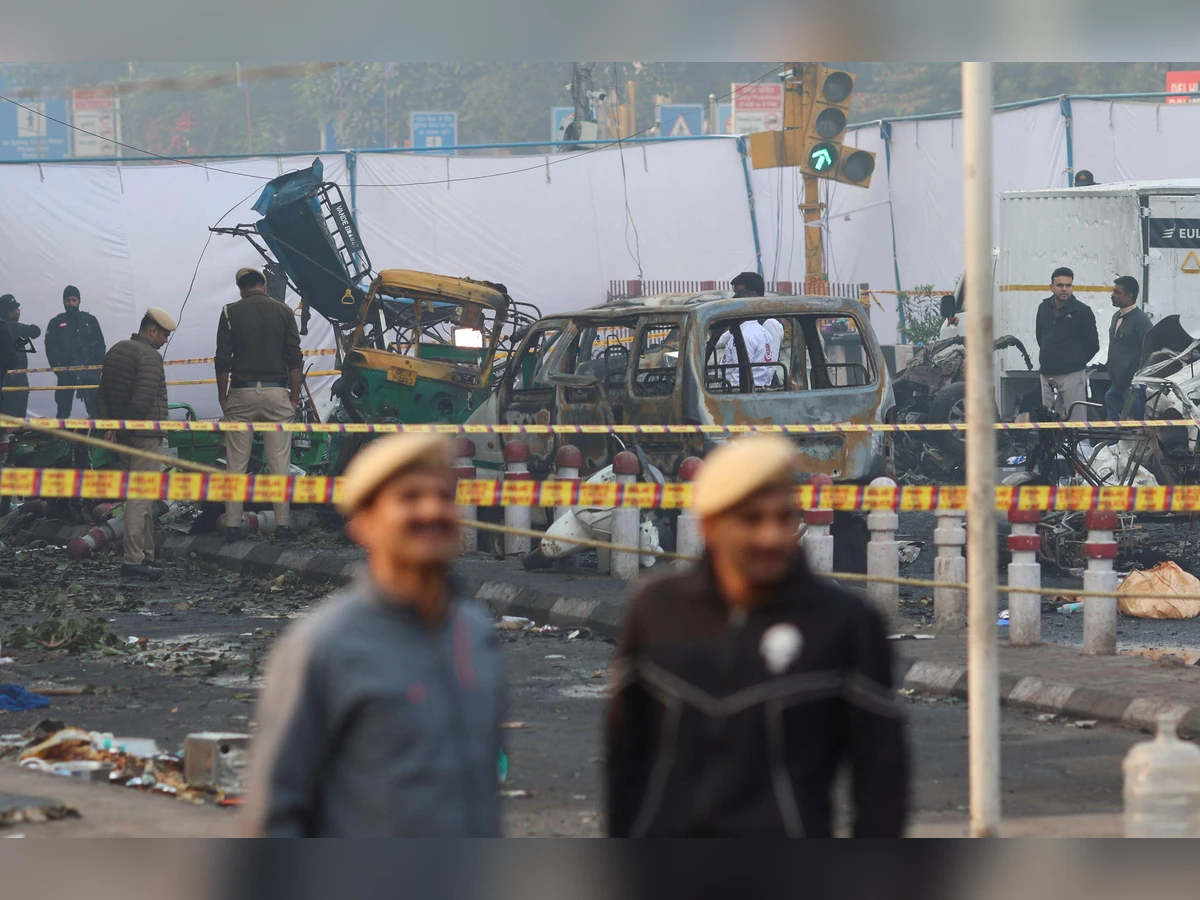
India woke up to shock and anger following the deadly Delhi car explosion near the Red Fort, which claimed multiple lives and left dozens injured. In a high-level meeting chaired by Prime Minister Narendra Modi, the Union Cabinet officially confirmed that the incident was a terror attack orchestrated by anti-national forces, vowing zero tolerance towards terrorism in any form.
The Cabinet’s resolution, issued after the blast, described it as a “heinous and cowardly act” targeting innocent civilians in the heart of the nation’s capital. The government further instructed that the investigation be conducted with “utmost urgency and professionalism,” signaling that the state will pursue both domestic and cross-border networks linked to the attack.
While the official statement defined it as a terror attack, many within the security and defense establishment believe that such a direct strike on India’s capital could legally and strategically be treated as an act of war. Under international and national security frameworks, a terror attack planned and executed by foreign-based actors — or supported by hostile states — falls within the parameters of an act of aggression against the sovereignty of India.
The explosion near the historic Red Fort, a symbol of India’s independence and power, was clearly designed to send a message — one that India’s leadership is unlikely to take lightly.
If investigations confirm foreign involvement, the diplomatic and military consequences could escalate quickly, marking a shift from internal security response to national defense posture.
This incident once again reminds the world that terrorism is not just a law-and-order issue; it is a strategic weapon of proxy war — and India has made it clear it will respond accordingly.