


Revolutionizing AI Hardware with Speed and Localization
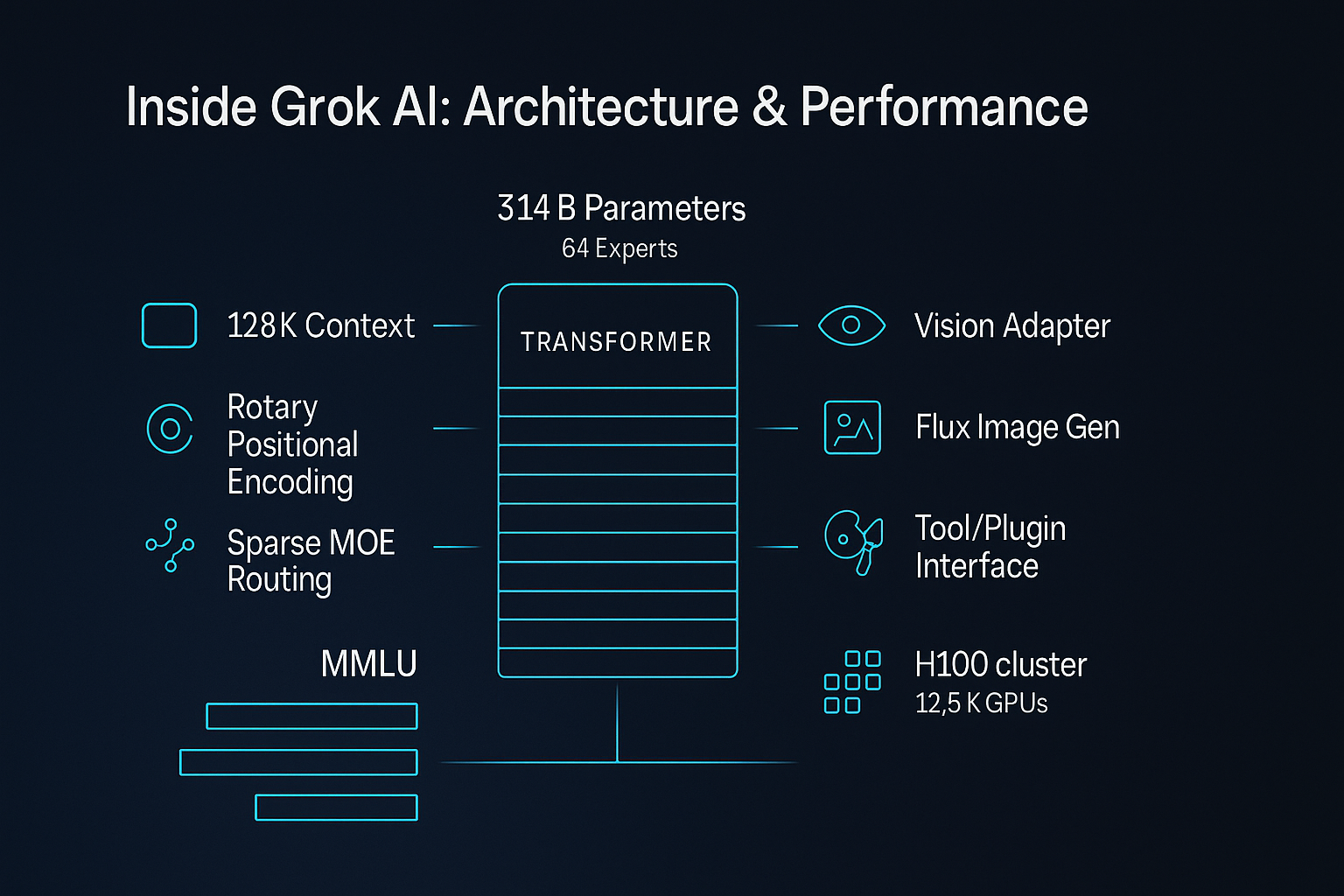
Grock, a semiconductor startup founded in 2016, has developed an AI chip that outpaces competitors by a factor of 18 in speed, promising to redefine low-latency AI processing. Unlike traditional GPU-based designs, Grock’s chip features a specialized architecture called the LPU, which processes language tasks sequentially and includes on-chip memory, significantly reducing response times.
The chip’s speed enables real-time interactions with AI models, such as generating full responses or books within seconds. This technological leap has attracted over 400,000 signups to Grock’s platform, as the company set a new standard for low-latency AI tools. The design is tailored specifically for inference tasks, focusing on messaging rather than training, which typically demands more powerful GPUs.
The speed is definitely a differentiator and people notice it—we've gone viral this week, and the demo shows how fast it is compared to traditional graphics processors.
Technical Innovations and Strategic Advantages
Grock’s LPU chip processes language tasks sequentially, with integrated memory on the chip—an uncommon feature that enhances speed and efficiency. The company claims this design reduces compute costs due to faster per-chip performance, making it attractive for startups and large corporations alike.
Ross, a co-founder, emphasizes that the chip is optimized for inference, enabling near-instantaneous responses. For example, the chip can generate an entire book in about 100 seconds, a feat that underscores its potential to transform AI applications that require rapid, continuous interaction.
Because we're so much faster per chip produced, we can achieve a better cost basis and energy efficiency, which is crucial for scaling.
Manufacturing and Market Potential in the U.S.
A distinctive feature of Grock’s strategy is that its entire production is based in the United States, contrasting sharply with industry reliance on Taiwan’s TSMC. The company plans to deploy over 22,000 LPUs in the current year, with ambitions to reach 1.5 million units soon after, aiming to serve both startups and established firms in the S&P 500.
The U.S.-based manufacturing approach may reduce supply chain risks and geopolitical vulnerabilities, positioning Grock as a domestically secure alternative amid global tensions. This localization could give the company an edge in a market increasingly concerned with supply chain resilience and national security.
All chips are made in the U.S., which is very unique compared to counterparts that rely heavily on Taiwan’s TSMC foundry.
Challenges and Industry Context
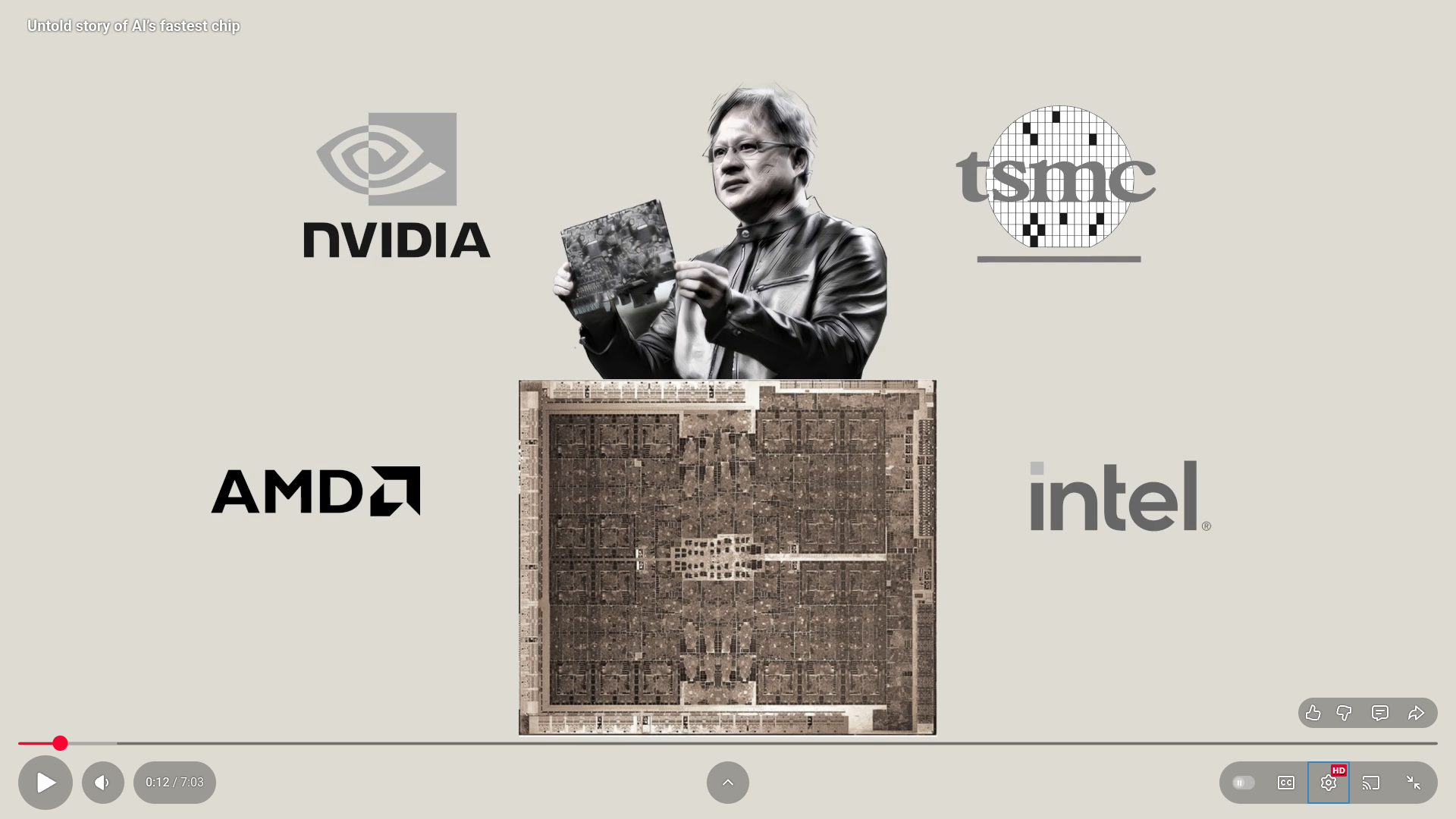
Despite its rapid rise, Grock faces questions about scalability and market share. While the chips outperform Nvidia’s H100 GPUs in speed, the company must produce and sell large volumes to compete effectively. Nvidia’s ability to handle massive orders with fewer chips raises concerns about whether Grock’s scaling approach is feasible long-term.
Ross argues that for true innovation—driving down costs, solving complex problems, and unlocking new solutions—more companies like Grock need to challenge industry giants. The moment of virality offers promise, but turning this into a sustained market presence remains an open question.
Does shorter response time make a meaningful difference for users? The industry will decide if speed alone can carve out a significant market share.
Global Industry Trends and Future Outlook
Grock’s focus on speed, cost efficiency, and domestic manufacturing reflects broader trends in AI hardware, where geopolitical considerations and technological demands are reshaping supply chains. The company’s approach aligns with a push for U.S.-based chip production amid concerns over reliance on overseas foundries, especially in Taiwan.
As AI models become more sophisticated and integrated into everyday applications, the industry faces a pivotal choice: continue scaling with existing giants or foster a more diverse ecosystem of innovators capable of rapid, cost-effective deployment.
Innovation that truly drives down costs and opens up new possibilities will require many more companies fighting for a place at the big boys’ table.