
A New Era of Nuclear Testing?
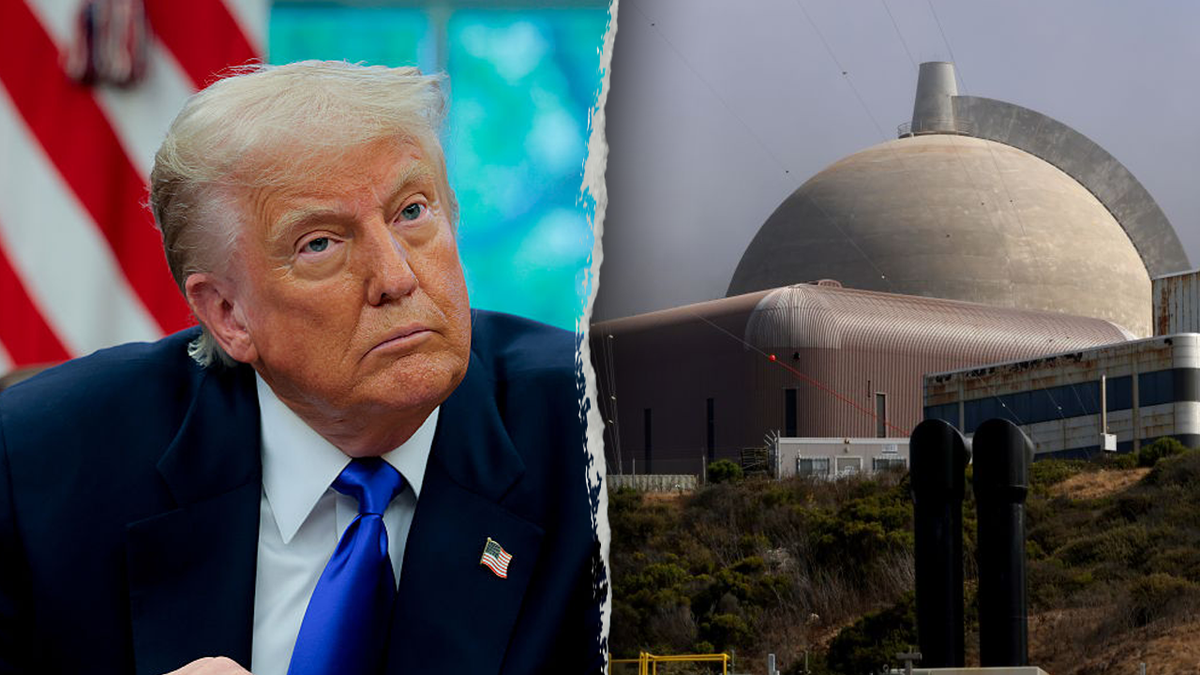
In a startling move that echoes Cold War tensions, President Trump has instructed the Department of War to initiate nuclear testing, positioning the United States to test its arsenal on par with other nations. This directive raises urgent questions about the future of global power dynamics and the potential for escalating military confrontations.
As analysts point out, the implications of this decision could be profound. Nuclear testing not only signals a shift in U.S. policy but also invites responses from other nuclear powers, potentially igniting a new arms race. The specter of heightened tensions looms large, as nations recalibrate their defense strategies in response.
The president has actually asked the Department of War to start testing our nuclear weapons on an equal basis with other nations.
Nuclear testing could reshape global power dynamics.
The directive challenges existing arms control agreements.
Other nations may respond with their own military escalations.
Unexpected Alliances in Geopolitical Landscapes
In a parallel narrative, the recent meeting between Trump and Syria's new president, Ahmed Alshara, underscores the volatility of geopolitical alliances. Just a year ago, Alshara was a figure of enmity, leading forces that opposed the Assad regime. Now, he finds himself in the Oval Office, a testament to the rapid shifts in global politics.
This meeting, devoid of extensive media coverage, reveals a strategic pivot that could redefine U.S. relations in the Middle East. The endorsement of Alshara by Saudi Crown Prince Mohammed bin Salman further illustrates the unpredictable nature of alliances, as former adversaries forge new partnerships. As one analyst remarked, 'Almost nobody saw this coming.'
Not only has Assad been deposed, but the leader of the group that deposed him is now the president.
Unexpected alliances can emerge from conflict.
Alshara's rise from enemy to ally reflects the need for adaptive strategies.
The U.S. is reconsidering its approach to Syria amidst shifting dynamics.
The Risks of Ethnic Violence and Distrust
Despite these developments, a critical risk remains: ongoing ethnic violence in Syria could destabilize the fragile peace. The recent history of conflict underscores the complexities of governance in a region rife with deep-seated divisions. Analysts caution that any new diplomatic relations must be approached with vigilance.
The phrase 'trust but verify' resonates as the U.S. navigates these relationships. While the potential for positive change exists, the legacy of violence in Syria poses significant challenges. As experts note, 'There has been significant violence in Syria even since Alshara took over.'
It's appropriate to give these guys a chance; trust but verify and see how he actually governs.
Ethnic violence remains a significant risk in Syria.
Diplomatic relations must be approached with caution.
Historical context is essential for understanding current dynamics.
Conclusion: A Call for Strategic Vigilance
As the world teeters on the brink of renewed nuclear testing and shifting alliances, the need for strategic vigilance has never been more pressing. The potential for conflict is high, and the global community must remain alert to the implications of U.S. policy changes.
In navigating these tumultuous waters, it is crucial for policymakers to adapt to rapid changes and foster open communication with both allies and adversaries. The future landscape of international relations may depend on our ability to understand and respond to these emerging dynamics effectively.
The swift rise of Alshara from enemy to ally highlights the unpredictability of political landscapes.
The global community must remain alert to U.S. policy changes.
Effective communication is key in navigating emerging dynamics.
Strategic vigilance will shape the future of international relations.
Key takeaways
Trump's nuclear testing directive may trigger a new arms race.
Unexpected geopolitical alliances can emerge, demanding adaptive strategies.
Ethnic violence remains a significant concern that complicates diplomatic relations.