
Pakistan's Strategic Position and Ambitions
Pakistan stands out among the world's unstable nations due to its significant military capabilities, nuclear arsenal, and a population of approximately 250 million. In the 2020s, it has projected itself as an emerging power within the Islamic world, cultivating close ties with Beijing and maintaining increasingly strategic relations with Washington. Despite its ambitions for regional and global influence, Pakistan faces a series of internal and external challenges that threaten its stability.
Current Challenges: Political, Economic, and Security Instability
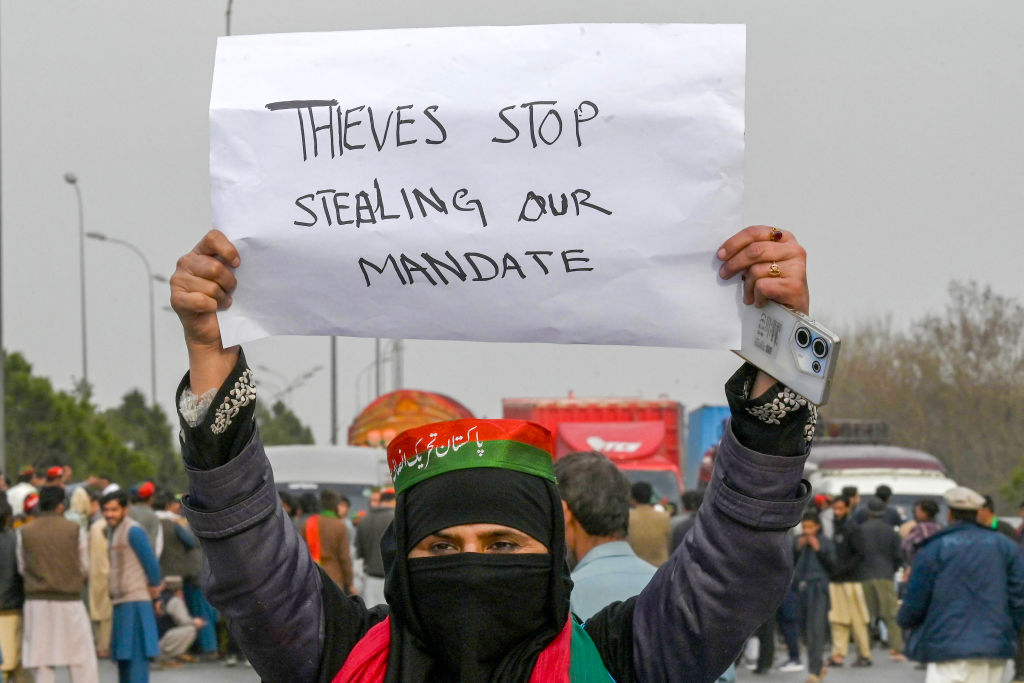
The country is beset by overlapping insurgencies, a precarious relationship with its nuclear rival India, and a political landscape marked by opposition parties that feel cornered and increasingly confrontational. Economically, Pakistan's growth has slowed, and its regional position remains fragile. Meanwhile, its expanding global friendships introduce additional complexity, pulling the nation in multiple directions simultaneously.
Perhaps most alarming is the perception among Pakistan's leadership that they have already secured victory or stability, a dangerous overconfidence in a nation often on the brink of crisis. This hubris could lead to miscalculations with potentially catastrophic consequences.
The Baluchistan Insurgency and Recent Terror Attacks
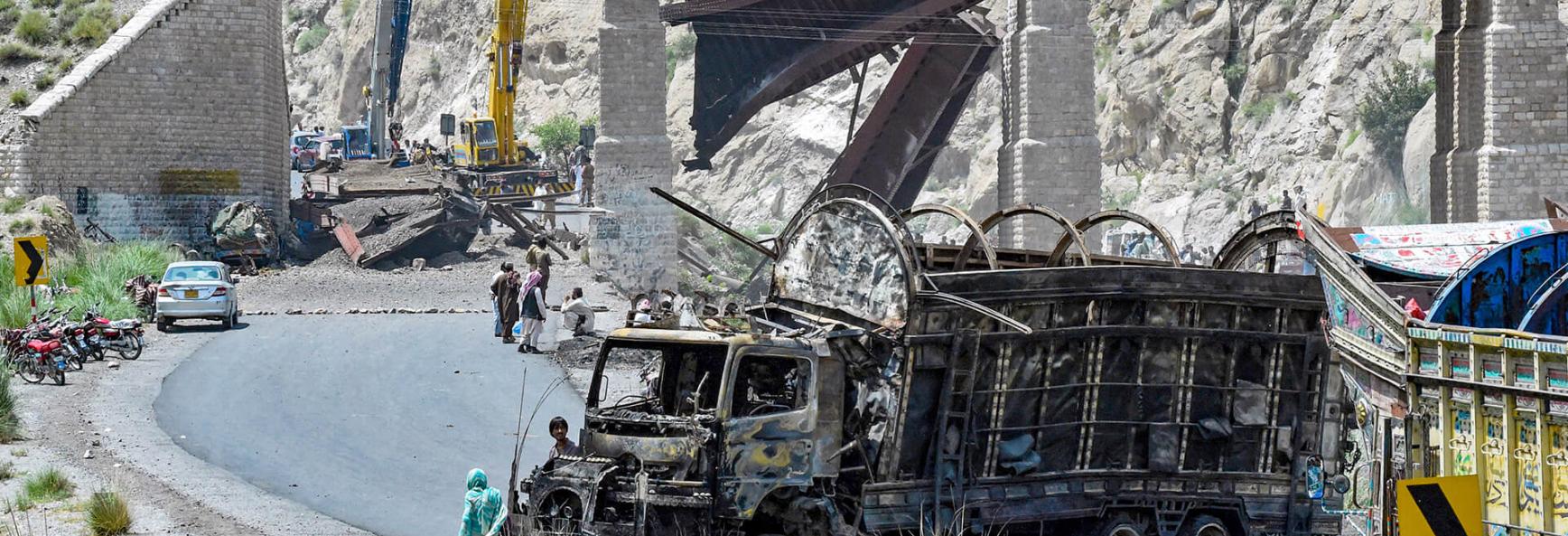
A stark illustration of Pakistan's internal turmoil was the terrorist attack in Baluchistan, one of its largest in years, which occurred in late January. The region, rich in natural resources but impoverished, was targeted by militants who stormed multiple sites across the provincial capital and surrounding towns. Using explosives, rifles, and improvised devices, the militants inflicted significant casualties, including civilians, police, and military personnel.
The attack was claimed by the Baluchistan Liberation Army (BLA), a separatist group advocating for an independent Baluchistan. The BLA has been fighting an insurgency since Pakistan's independence, motivated by the desire to control the region's abundant natural resources, which remain largely exploited by the Pakistani government and foreign investors, while local Baluch populations see little benefit.
Counterinsurgency Efforts and Persistent Resilience of Separatist Movements
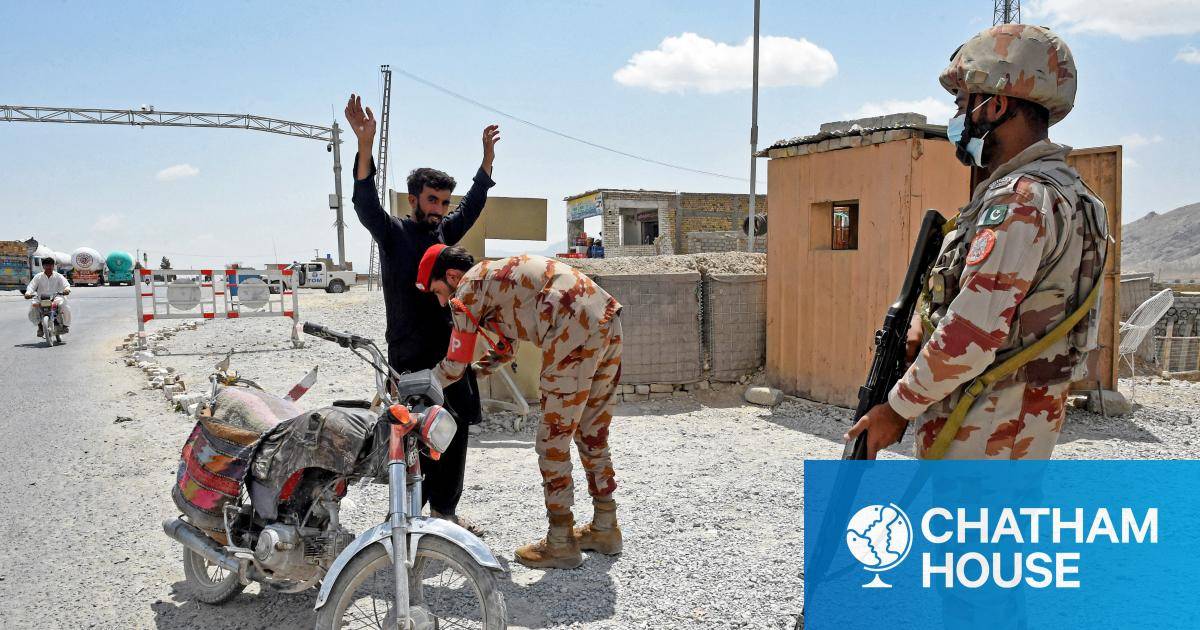
In response to the attack, Pakistani security forces launched swift counterinsurgency operations, engaging militants across towns and villages, and effectively sealing the region. Within days, they claimed to have killed hundreds of BLA fighters and liberated key towns, asserting that the insurgency was under control.
However, the scale and sophistication of the recent assault suggest a deeper, more resilient problem. The BLA demonstrated the ability to coordinate complex attacks, seize multiple locations, take hostages, and even threaten major infrastructure. Such resilience challenges the Pakistani narrative of a weakened separatist movement in decline.
The Underlying Root Causes: Resource Exploitation and Political Marginalization
The persistent strength of the BLA and other insurgent groups points to systemic issues rooted in resource exploitation and political marginalization. Baluchistan's wealth in natural resources—including minerals, gas, and other commodities—should, in theory, translate into regional prosperity. Instead, local populations see little benefit, with much of the wealth siphoned off by the central government and foreign investors.
This economic disparity fuels resentment and insurgency, with local groups demanding greater autonomy or independence. The Pakistani state's efforts to portray the insurgency as under control are increasingly undermined by the reality of ongoing violence and the insurgents' ability to adapt and sustain their campaigns.
Implications for Pakistan's Stability and Future Prospects
The resilience of insurgent movements like the BLA, despite relentless countermeasures, indicates deep-seated issues that threaten Pakistan's stability. The combination of internal unrest, economic stagnation, regional tensions with India, and complex international relationships creates a volatile environment.
Overconfidence among Pakistan's leadership, coupled with the ongoing insurgency and regional instability, raises concerns about the potential for escalation or even state failure. The country's internal divisions and external pressures could push Pakistan toward a crisis point where its survival as a unified state is seriously challenged.
The Path Forward: Risks and Uncertain Outcomes
Pakistan faces a multifaceted crisis that tests its political resilience, economic stability, and security infrastructure. The persistent insurgency in Baluchistan exemplifies the deeper structural problems—resource inequality, political marginalization, and regional discontent—that require comprehensive solutions. Without addressing these root causes, the risk of further instability or even collapse remains significant. As the nation continues to walk a tightrope between progress and disaster, the future of Pakistan depends on its ability to reconcile internal divisions and manage external threats before they spiral beyond control.