The Shift in Global Manufacturing and Economic Power
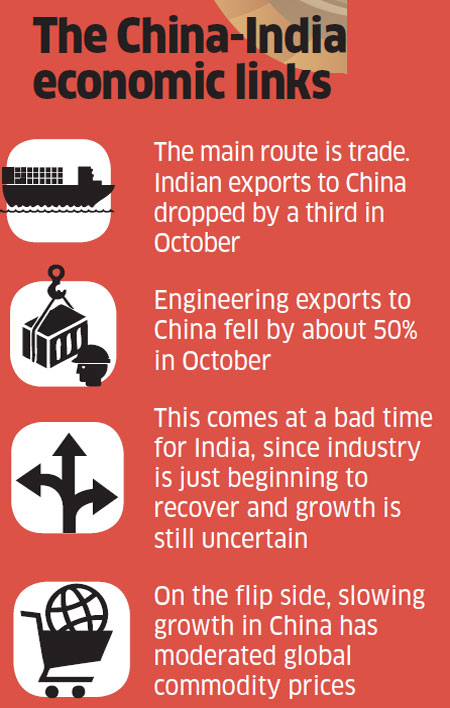
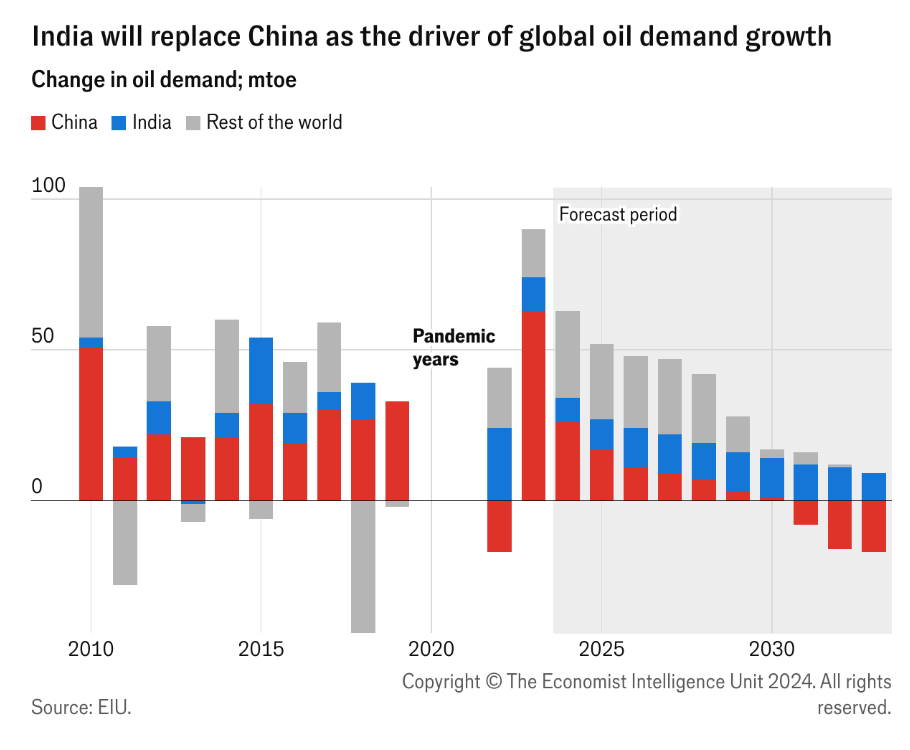
For decades, China has served as the dominant global manufacturing hub, praised for its efficiency, scalability, and government-supported infrastructure. Companies like Apple relied heavily on China’s extensive supply chains, and China became the world's factory. However, recent disruptions, including COVID-19 lockdowns and rising geopolitical tensions, have begun to shake this reliance. As China’s prominence wanes, many strategists see India as the logical successor, driven by its large population, economic potential, and democratic governance.
The Promise of India’s Demographic Dividend
India’s demographic profile stands out in the global landscape. The country has recently surpassed China as the most populous nation, with approximately 1.4 billion people. Crucially, India’s median age is around 28 years, significantly younger than China’s nearly 39 or the United States’ 38. This youthful population presents a potential demographic dividend—a period when a large proportion of the population is in the workforce, which can propel economic growth.
Historical examples from Japan and China illustrate this potential. Both countries experienced rapid economic growth when their working-age populations surged, utilizing surplus labor to boost productivity, savings, and consumption. This phase can generate a 'growth engine' that accelerates national development.
Challenges and Risks of the Demographic Advantage
While India has the bodies and youth to potentially replicate China’s industrial rise, the success of such a demographic dividend depends on economic and structural factors. Simply having a large working-age population does not guarantee growth. It requires that these young people are productively employed in high-value industries.
A critical concern is whether India can convert its demographic advantage into economic prosperity or fall into a middle-income trap. If the majority of young people remain unemployed or underemployed, the country risks social unrest and political instability. Data shows high youth unemployment, with reports indicating that up to 40% of recent graduates are unemployable due to gaps in vocational and technical skills. The education system often emphasizes rote memorization over critical thinking or vocational training, leaving many graduates ill-equipped for the modern economy.
Structural and Educational Hurdles
India’s education system has produced numerous engineering graduates, but many lack practical skills needed for manufacturing or technology sectors. This disconnect hampers the country’s ability to transition from a service-based economy to a manufacturing powerhouse, a transition China managed decades ago through dedicated vocational training. Without reform, India risks producing a large, educated but unemployable youth population, which could become a social and economic liability rather than an asset.
Comparing Demographic Strategies: China and India
China’s demographic rise coincided with a global manufacturing boom, which allowed it to become the world’s factory. India is attempting to follow a similar path but faces different conditions. Today’s global economy is shaped by automation and AI, diminishing the advantage of cheap manual labor. India’s challenge is to scale up its workforce and move it from agriculture to industrial and service sectors, but this requires significant investment in infrastructure, education, and industrial policy.
The Manufacturing Conundrum: Can India Compete?
Historically, China’s rise was driven by its mastery of complex supply chains, with Shenzhen exemplifying an integrated manufacturing hub. India, meanwhile, has become a leader in IT services, outsourcing, and consulting, but these sectors alone cannot sustain superpower status. To do so, India must develop its manufacturing capabilities and create a resilient, integrated supply chain network. This involves overcoming infrastructural chaos, bureaucratic hurdles, and attracting foreign investment at scale.
Without a significant manufacturing sector, India risks remaining a service economy with limited global influence, unable to fully leverage its demographic advantage.
Geopolitical and Structural Challenges
Beyond internal issues, India faces geopolitical complexities, including border tensions and regional instability. Its infrastructure is often chaotic, and bureaucratic processes can hinder business development. These issues threaten to derail the country’s economic ambitions unless addressed through substantial reforms and strategic planning.
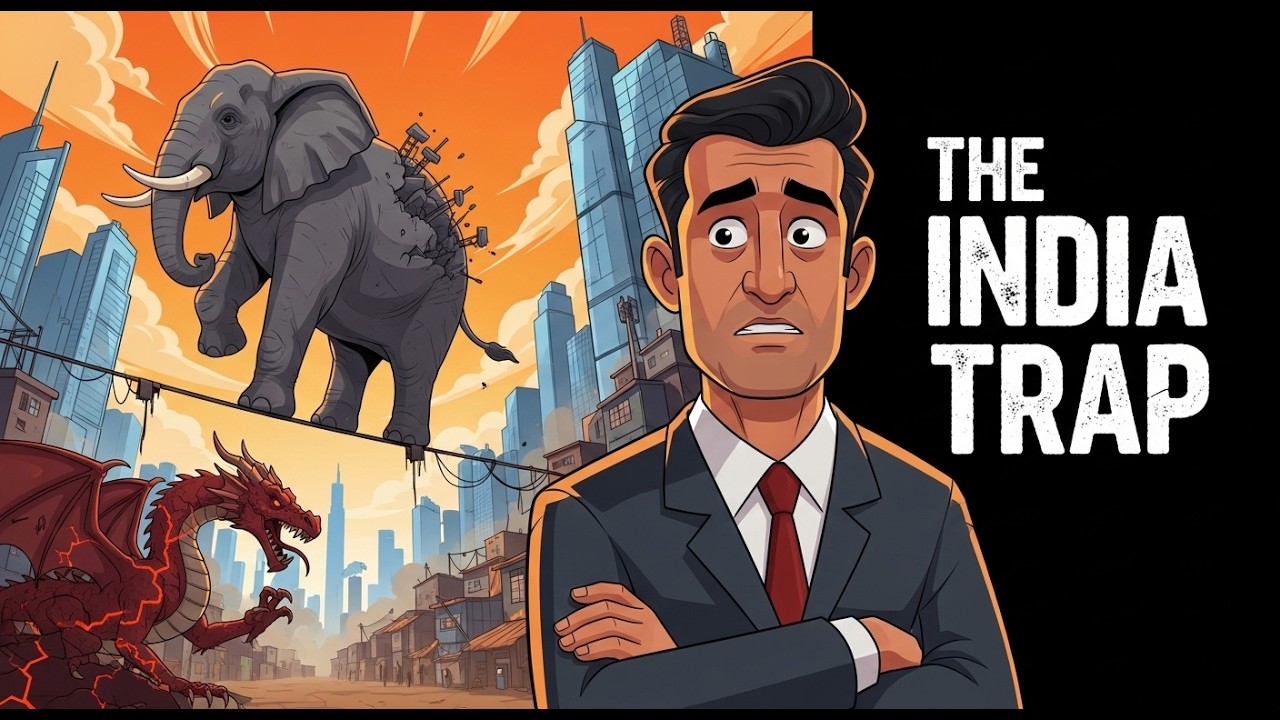
India’s Future: A Demographic Boom or a Middle-Income Trap?
India’s potential to become the next global economic engine hinges on its ability to convert its demographic dividend into tangible growth. Success depends on comprehensive reforms in education, infrastructure, and industrial policy. Without these, the country risks falling into a middle-income trap, with a large, young population facing unemployment and social unrest. The coming decades will reveal whether India can emulate China’s industrial rise or become another cautionary tale of unfulfilled promise.