

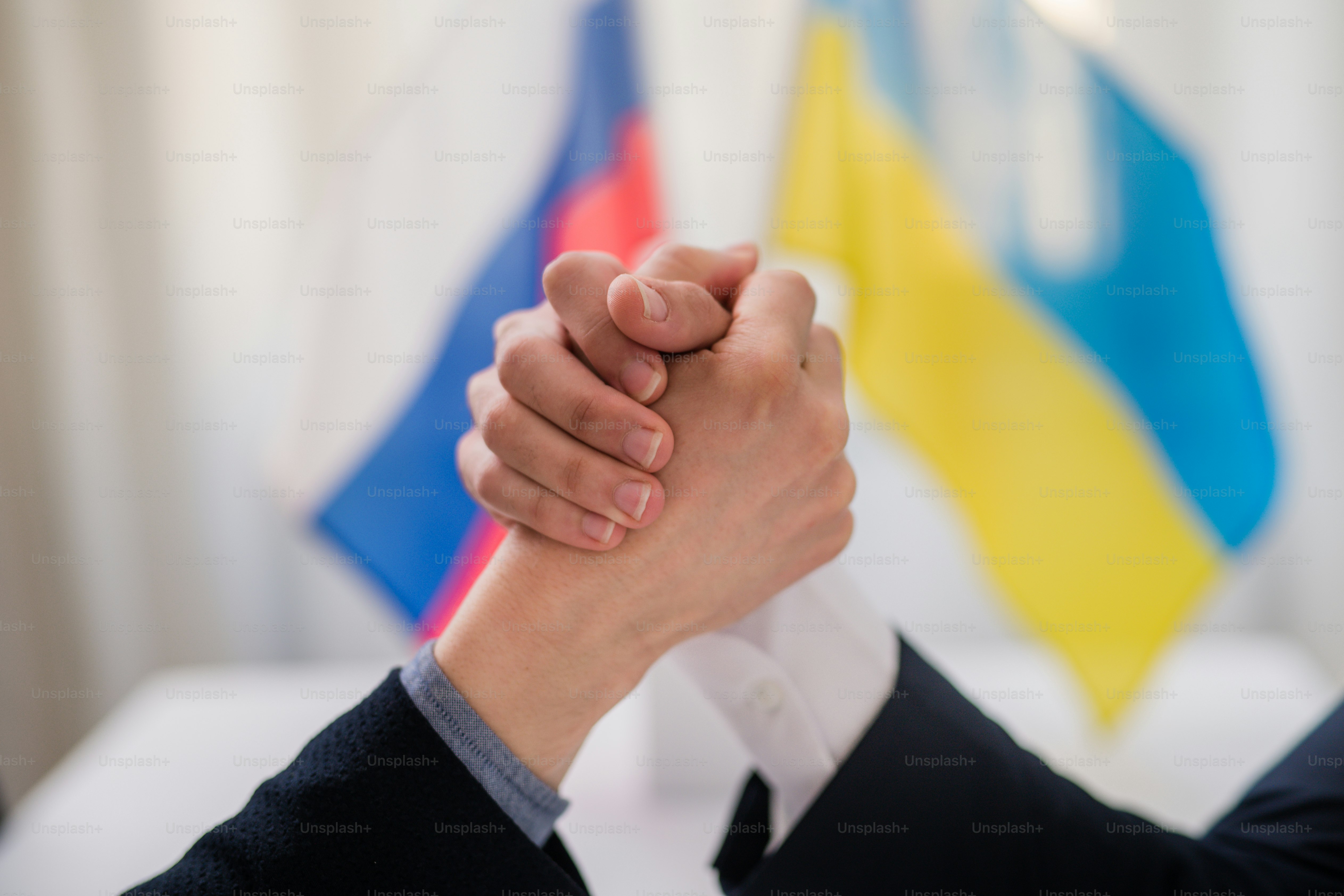

The Post-World War II Global Framework
The current global system, established after World War II, was built on a set of agreed principles that structured international economic and political relations. Key players included China, Japan, Europe, and the United States, each fulfilling specific roles within this framework. China emerged as the world's manufacturing hub, Japan as a lender maintaining low interest rates to keep the system liquid, Europe as a major consumer and trading partner, and the United States as the enforcer of the system, anchored by the petrodollar and backed by military strength.
This system was maintained through a network that Simon Dixon described as the 'proof of weapons' network. Countries participating in the global economy had to adhere to certain rules—using dollars for energy transactions and aligning with US interests—enforced through military power, financial institutions, and central banks. This created a global order where compliance meant access to markets and protection, while defiance resulted in sanctions or military intervention.
The Decline of the Old System and Growing Discontent
Over time, the advantages of this system accumulated unevenly. Many American workers experienced job losses as supply chains shifted overseas, and wealth became increasingly concentrated at the top, hollowing out the middle class. The US stopped manufacturing much of its goods, focusing instead on finance and technology, which contributed to a fragile dependency on other nations for essential goods.
Meanwhile, other nations recognized the limitations of the existing order and began forming alliances to establish their own systems. Countries like China, Russia, and others have grown powerful enough to challenge US-led dominance, making the enforcement of global rules through traditional means like military force increasingly unfeasible. Recent discussions at forums like the World Economic Forum have signaled that the old game is over, and a new paradigm is emerging.
The Failure of Globalization and the Shift Toward Decoupling
The era of globalization, characterized by outsourcing production to the lowest-cost regions and prioritizing offshore manufacturing, has begun to unravel. This shift has left the US and Europe behind, exposing vulnerabilities in their reliance on foreign energy, supply chains, and military alliances.
Japan is now being forced to repatriate capital and sell US treasuries, which diminishes demand for the dollar and weakens its position as the world's reserve currency. Europe's dependence on external energy sources and reliance on other countries for security have similarly undermined its influence. These developments suggest that the old global order, built on interconnected economic and military dependencies, is no longer sustainable.
The New Power Structures: Who the Players Are
As the old system declines, new power centers are consolidating and competing to shape the emerging order. One major group comprises what are called the 'financial globalists' or transnational capital. These actors do not pledge allegiance to any nation but operate across borders, managing vast pools of capital without national allegiance.
Leading entities within this group include asset management giants like BlackRock, Vanguard, and State Street, which collectively oversee tens of trillions of dollars. Their influence is profound because they control access to capital and, through their voting power, shape corporate governance globally. For example, when investors purchase mutual funds or ETFs managed by these firms, their voting rights are often exercised by the asset managers, frequently on behalf of the clients, but sometimes without direct input from the individual investors.
The Power of Asset Managers and Their Influence
Asset managers wield a superpower: they can influence corporate decisions and strategic directions by exercising voting rights on behalf of their clients. Data shows that a significant portion of votes within major funds are exercised by these managers rather than the individual investors, giving them outsized influence over corporate governance.
This concentration of voting power means that asset managers like BlackRock can sway the behavior of multinational corporations, affecting everything from environmental policies to executive appointments. Their role underscores a shift in power from traditional nation-states to global financial institutions, which operate beyond the boundaries of any single country.
Implications for Global Power and Future Dynamics
The consolidation of financial power in the hands of a few large asset managers signals a transformation in how global influence is wielded. Countries and corporations are increasingly subordinate to these financial entities, which prioritize capital mobility and market access. This shift complicates traditional notions of sovereignty and national interest.
Simultaneously, nations like Japan and Russia are repositioning themselves by repatriating capital and reducing reliance on US-dominated financial systems. The weakening demand for the dollar and the erosion of US influence suggest that the old order's foundations are crumbling. The emerging landscape is characterized by new alliances, economic decoupling, and a redefinition of power centers.
A New Global Order in the Making
The global system established after World War II is reaching its end, replaced by a more complex and fragmented landscape of power. Traditional US dominance is waning as other nations and financial institutions assert their influence and forge new alliances. This transition is driven by economic, political, and strategic shifts that challenge the old rules of globalization.
Understanding these evolving dynamics is crucial for anticipating how the future geopolitical and economic order will look. The emerging world will likely be characterized by a balance of power among diverse actors, each pursuing their interests in a landscape that is markedly different from the previous era.