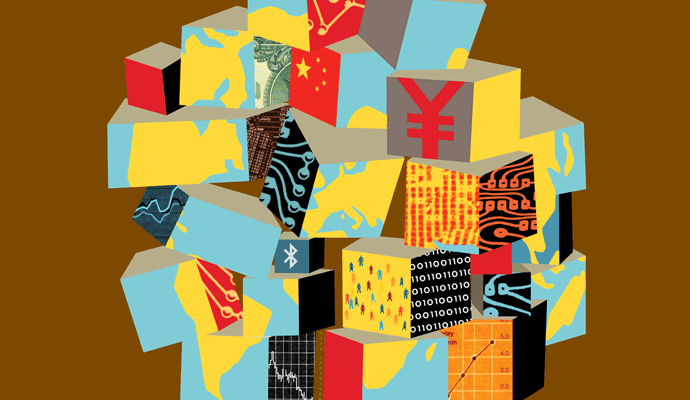
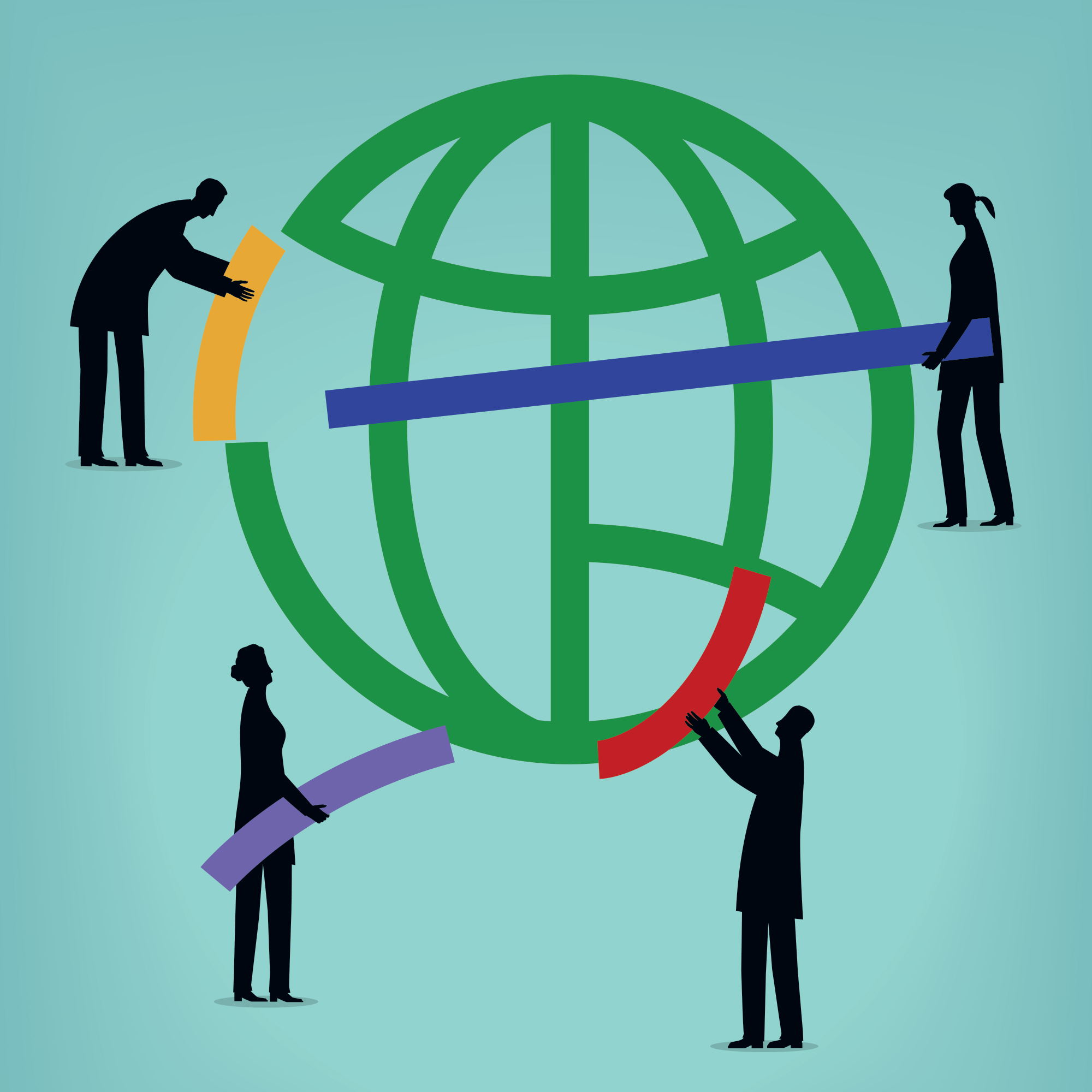
The global order established after World War II is dissolving, giving way to a new power dynamic driven by emerging alliances and shifting economic and military strength. This transformation is driven by the failure of globalization, the rise of new economic blocs, and the reassertion of national sovereignty, leading to a reconfiguration of global influence.
Background: The Post-World War II Global Order
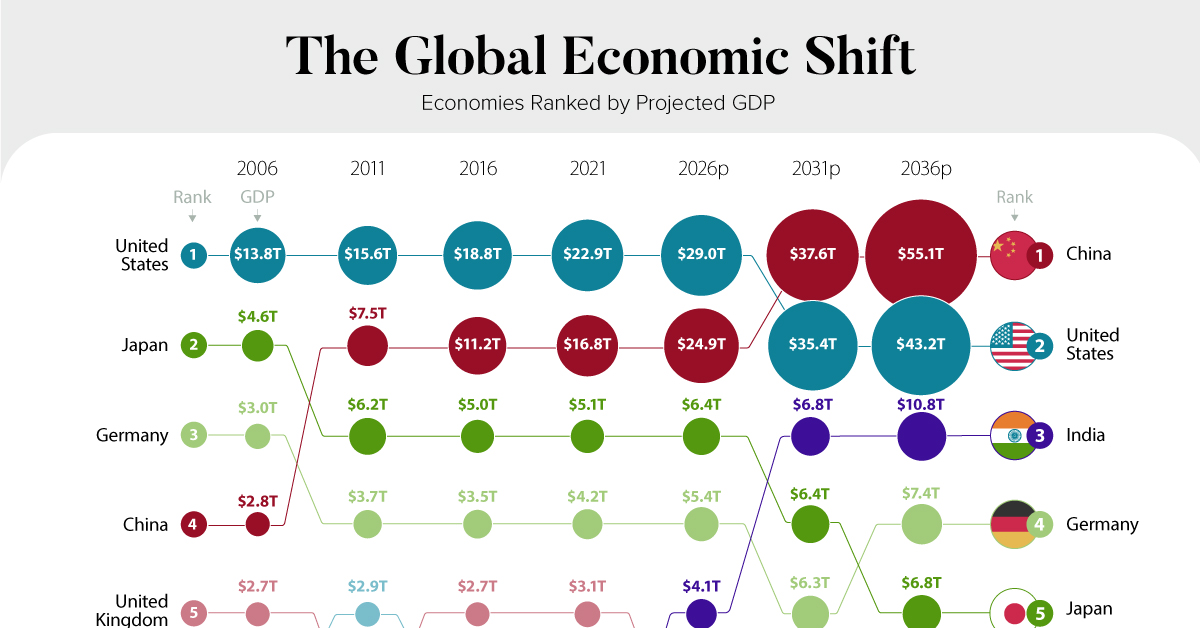
Following World War II, an international consensus shaped the current global order. The United States emerged as the dominant power, enforcing the new system through military strength and financial influence, notably via the petrodollar system. China became the world's manufacturing hub, Japan established itself as a major lender by maintaining low interest rates to keep financial systems liquid, and Europe positioned itself as a major consumer and trading bloc. This structure relied on a set of unwritten rules: countries used US dollars to buy energy, adhered to US interests, and played by the rules to gain access to markets and protection.
The Foundations of the Old System
The system was underpinned by the 'proof of weapons' network, where military power enforced economic rules. Financial institutions and central banks managed the flow of money, which was primarily conducted in dollars. Countries that complied with the rules benefited from investment access and protection, while sanctions and military interventions punished those that defied them. This system benefited the US economy and investors, leading to wealth concentration and the hollowing out of the American middle class, as manufacturing jobs moved offshore. The US became a nation primarily producing money and technology, rather than goods.
The Cracks in the Old Order
Today, the old system is unraveling. Several nations, notably China and others, have formed new alliances and economic structures, challenging US dominance. The collapse of the 'proof of weapons' enforcement means the US can no longer unilaterally impose rules without risking conflict akin to a world war. Recent gatherings at forums like Davos signal that the key power brokers recognize the game of global dominance is over. Countries are beginning to repatriate capital, sell US treasuries, and reduce dependence on the dollar, which weakens its status as the world's reserve currency.
Implications of the Shift
The decline of globalization policies, such as offshoring and outsourcing, has left the US and Europe behind in terms of manufacturing and energy independence. Europe, in particular, has become vulnerable due to dependence on external energy sources and reliance on other nations for security and military support. As nations reassert sovereignty, the balance of global power is shifting away from US-led institutions towards emerging alliances and blocs. This transition reflects a broader realignment reminiscent of the cyclical 'fourth turning' model, where periods of stability are followed by crises and resets.
The New Power Structures
Power is now concentrated in four main groups, with the first being the 'financial globalists' or transnational capital. This group includes asset managers like BlackRock, Vanguard, and State Street, which control trillions in assets. These institutions do not pledge allegiance to any nation but operate across borders, wielding influence through their control of capital. They influence corporate behavior by directing investment and voting on shareholder issues, often without direct involvement from individual investors. For example, most retail investors do not exercise voting rights on companies within funds managed by these giants, effectively ceding influence to asset managers.
This concentration of financial power allows these firms to subordinate corporations worldwide, shaping economic and corporate policies in favor of their interests. Their superpower lies in their ability to influence markets and corporate governance from behind the scenes, which consolidates their control over the global economic landscape.
The Future of Global Power and Influence
The dissolution of the old global order and the rise of new power centers suggest a period of significant upheaval and reorganization. Countries are reasserting sovereignty, and economic alliances are shifting. The influence of transnational financial institutions remains profound, but their dominance is now challenged by emerging national interests and geopolitical realignments. Understanding these evolving dynamics is crucial for anticipating how the future global landscape will be shaped.