

A Debt Beyond Comprehension
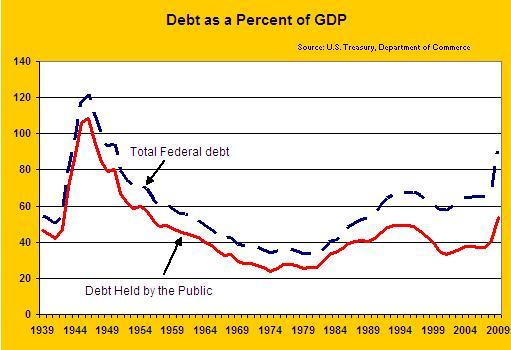
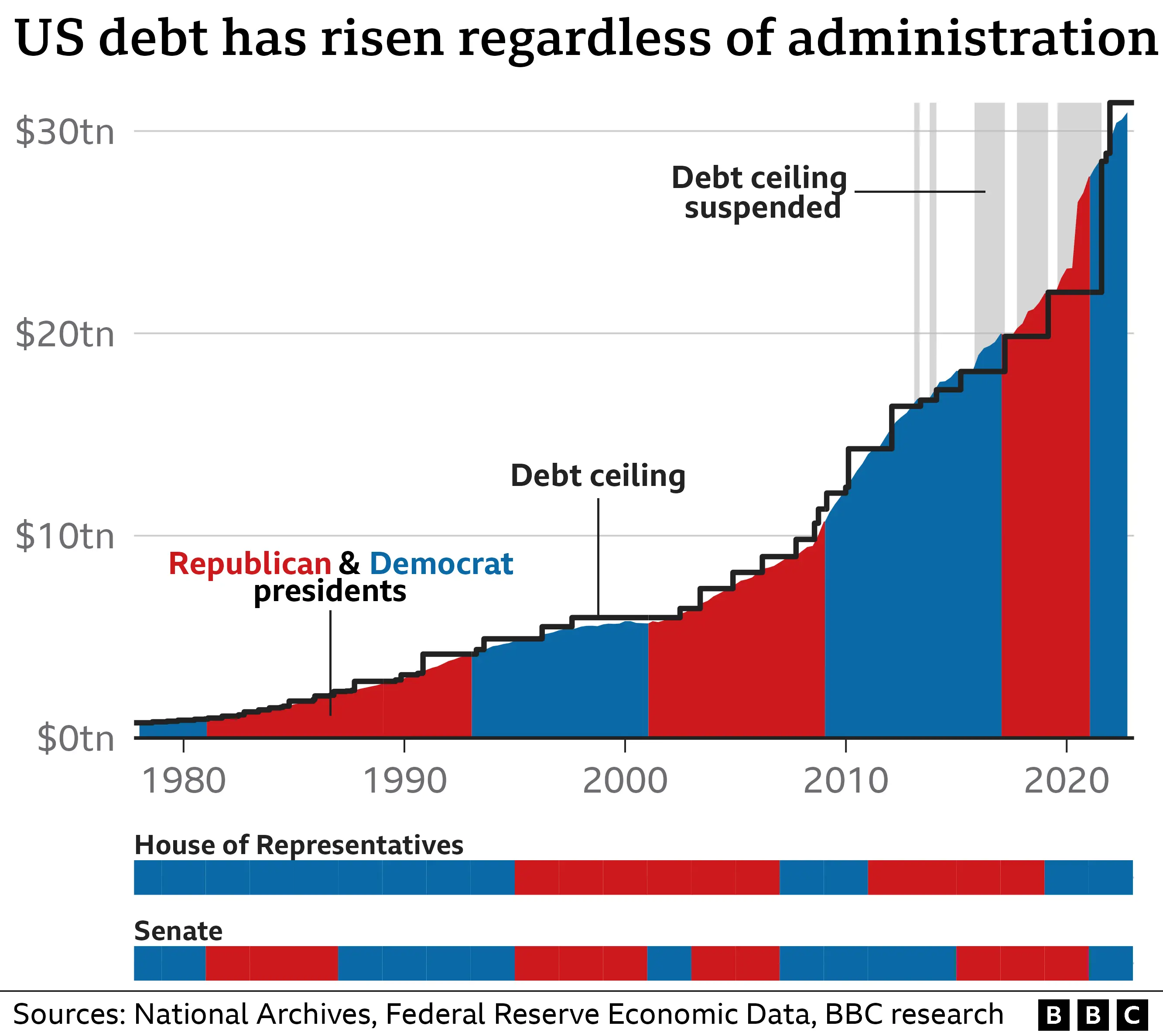
The official US debt clock now indicates a figure that exceeds 35 trillion dollars, approaching 38 trillion, a number so vast it passes human intuition. The transcript describes stacking a trillion dollars in $1 bills as a metaphor, noting that such a pile would surpass the moon, illustrating the scale of the obligation.
For decades, policymakers reassured the public that the debt was manageable because it was owed to ourselves and linked to economic growth. However, this perception has shifted dramatically in 2024, as the transcript states that the debt has become an operational concern, not just a statistic.
The interest on the debt is now consuming more of the federal budget than core pillars like defense or Medicaid.
The Growing Cost of Servicing Debt
In 2024, nearly a trillion dollars annually is spent on interest payments alone, diverting funds from investment, infrastructure, or social programs. This spending is described as paying 'past promises,' highlighting how the debt's interest costs are crowding out other government functions.
The transcript emphasizes that the debt has shifted from a distant concern to an active 'predator' feeding on the government's structure, indicating its immediate and destructive influence.
Why Governments Cannot Respond Like Households
Unlike a household, which can cut expenses or change behavior when overwhelmed by debt, the US government faces rigid constraints. The transcript explains that a large portion of federal spending is 'mandatory,' including Social Security, Medicare, and interest payments, which are political promises embedded into the system.
Breaking these commitments would destabilize the political order, making traditional debt response measures like spending cuts or austerity politically impossible.
The Feedback Loop of Debt and Inflation
When interest costs rise, the government issues more debt to cover them, creating a self-reinforcing cycle. The transcript describes this as an 'exponential' feedback loop, where higher debt leads to higher interest costs, which in turn lead to more borrowing.
The only feasible 'escape' from this cycle, as outlined, is through inflation. By allowing inflation to outpace interest rates, the real value of the debt diminishes without explicit default or austerity measures.
Inflation as a Quiet Debt Solution
The transcript details how persistent, managed inflation effectively erodes the debt's real value over time. It explains that if inflation runs higher than interest costs, trillions of dollars in debt can be 'erased' without traditional repayment.
This process occurs subtly—through currency devaluation and price increases—without the overt political pain of default or austerity, making it a 'quiet' mechanism for debt reduction.
Impacts on Citizens and the Global System
While the debt remains nominally on the books, the real burden shifts onto citizens through higher prices, slower wage growth, and diminished purchasing power. The transcript notes that this transfer of cost is designed to be invisible, with no direct bills arriving in the mail.
Given the US dollar's role as the world's reserve currency, a systemic default or loss of confidence could trigger global financial chaos, though explicit default remains unthinkable due to its catastrophic consequences.
The Limits of Conventional Solutions
The transcript argues that traditional methods—such as austerity, tax hikes, or default—are either politically infeasible or catastrophic for the economy. Austerity would require doubling taxes or dismantling essential programs, which is politically impossible, while default would threaten global financial stability.
Instead, the system relies on a slow, almost imperceptible process—inflation—to manage the debt, a strategy that leaves citizens bearing the hidden costs over time.