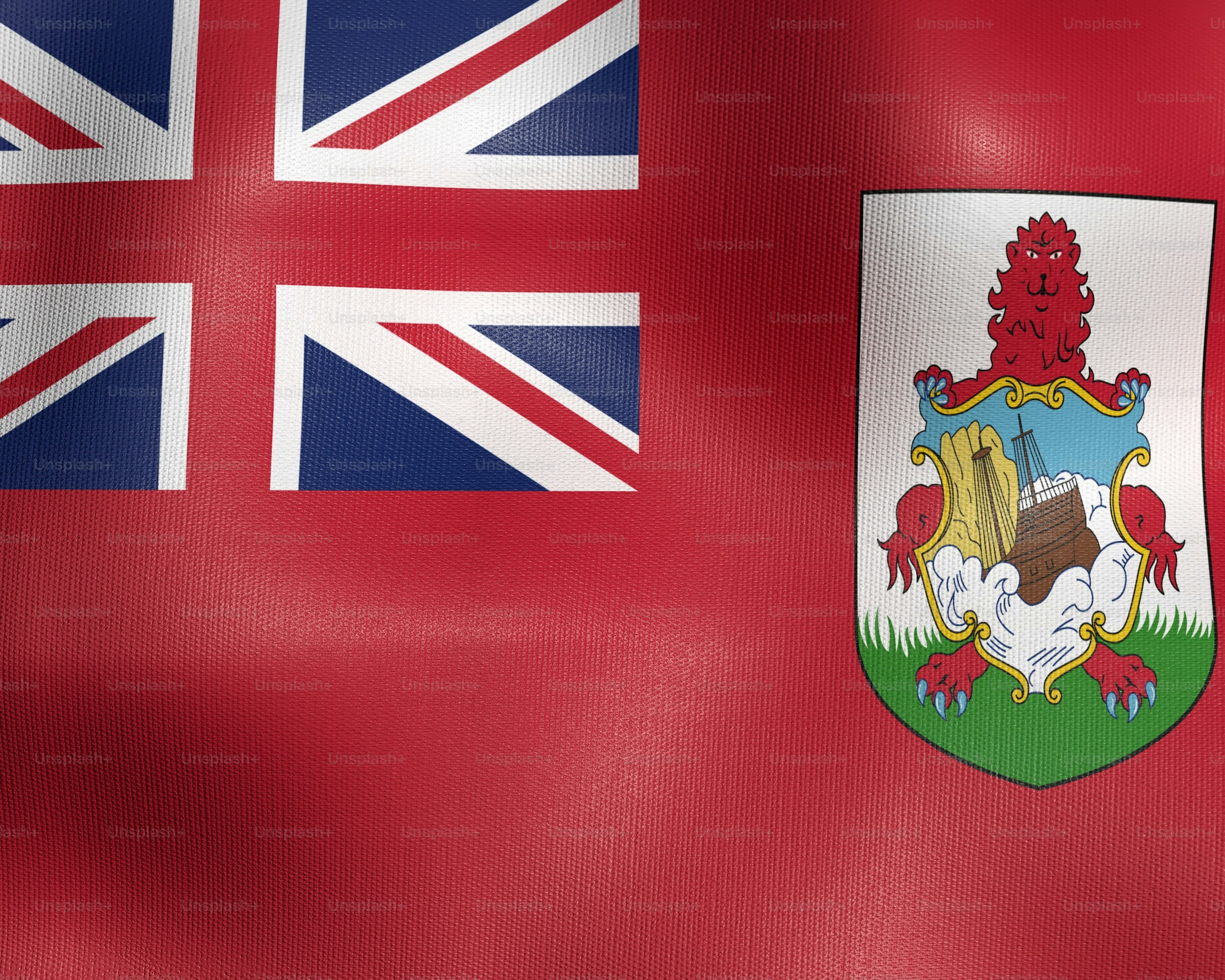

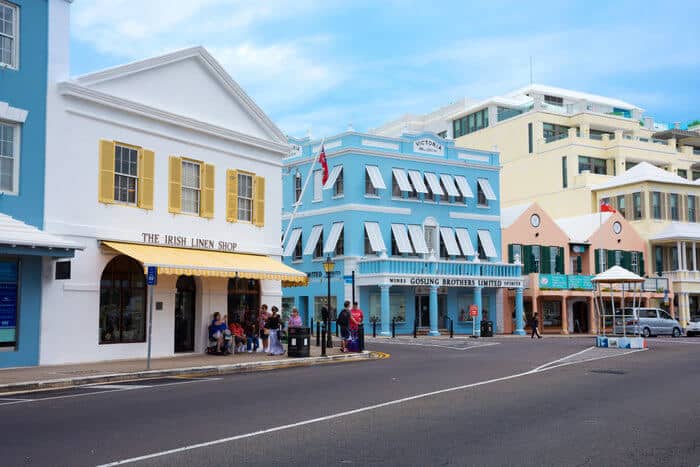
Bermuda's Role in Global Finance
Bermuda is often dismissed as merely a tax haven, but its significance extends far beyond that label. It functions as the engine room of global capitalism, subtly but critically shaping how corporations manage risk, taxes, and regulations. Its influence is so substantial that the entire world economy would be affected if Bermuda's financial infrastructure were to disappear.
The Origins: From Ohio to Bermuda
The story begins in the 1950s in Youngstown, Ohio, a city emblematic of American industrial strength, with booming steel mills and a culture of innovation. Frederick Rice, an engineer and insurance broker, noticed an inefficiency in how large corporations managed insurance. Steel companies, for example, paid millions in premiums to cover mining operations, yet rarely made claims. This prompted Rice to ask a fundamental question: why pay middlemen for protection that the company could provide itself?
Rice proposed creating a captive insurance company—an internal insurer owned by the corporation—which would insure only itself. This would allow the company to retain profits from claims and reduce costs. However, American regulators at the time were hostile to such arrangements, viewing them as potential loopholes for tax avoidance and regulatory evasion.
The Bermuda Solution: A Strategic Legal Loophole
Rice’s solution was to find a jurisdiction with legal flexibility—one that would allow the creation of captive insurance companies without the regulatory burdens imposed in the U.S. In the early 1960s, Bermuda was an unlikely candidate. It was predominantly a farming economy, famous for its onions, and had little financial industry to speak of. Yet, Rice saw potential.
He approached Bermuda’s government and offered to bring high-level finance and employment to the island in exchange for legal leniency. Bermuda agreed, and Rice established the first captive management company there in 1962, marking what can be called the 'Big Bang' moment for offshore finance. This move exploited a legal loophole: moving money offshore to Bermuda allowed corporations to deduct insurance premiums as business expenses in the U.S., pay zero taxes on profits earned offshore, and essentially create a tax-advantaged, self-insuring structure.
Regulatory Arbitrage and the Offshore Industry
This strategy was not merely about tax avoidance; it was a form of regulatory arbitrage—shopping for laws that best suited corporate needs. By moving insurance operations to Bermuda, companies could sidestep U.S. laws that demanded costly reserves and extensive paperwork. They could also benefit from Bermuda’s legal system based on British common law, which was more flexible and accommodating.
Initially, this remained a quiet revolution. But by the 1970s, the practice became widespread as American corporations recognized the financial advantages. They could pay themselves insurance premiums in Bermuda, deduct these payments from their U.S. taxes, and accumulate capital offshore, effectively creating a hidden financial vault outside American regulatory reach.
Expansion and the Rise of Bermuda as a Powerhouse
The offshore captive industry grew rapidly. Major financial firms and corporations established Bermuda entities, transforming the island into a global financial hub. The transition was dramatic: farmers and onion growers became office managers and financial professionals. The wealth generated by these offshore structures fueled a new industry—one that generated trillions of dollars in assets and liabilities.
This growth was fueled by the realization that moving money offshore provided not only tax benefits but also a shield against domestic legal and regulatory challenges. Bermuda's legal framework allowed for sophisticated legal engineering, such as the creation of the 'Bermuda form'—an insurance contract governed by New York law but with dispute resolution handled offshore, thus avoiding the reach of American courts.
The 1980s: Corporate America’s Legal Escape
In the 1980s, the offshore captive industry expanded as American corporations sought refuge from rising liabilities and punitive damages. The liability crisis had made traditional insurance prohibitively expensive and unreliable, especially with the advent of large jury awards in product liability, medical malpractice, and environmental lawsuits.
Major insurers in London and New York began withdrawing from risky markets, leaving corporations exposed. In response, industry leaders pooled resources to create their own Bermuda-based insurers, like ACE and XL Exel, effectively bypassing American courts and regulatory systems.
Legal Engineering: The Bermuda Form and Dispute Resolution
A crucial innovation was the development of the Bermuda form—a contract that stated disputes would be governed by New York law but resolved offshore. This legal engineering allowed corporations to enjoy the familiar legal environment of New York while avoiding the jurisdiction and jury biases that could favor plaintiffs.
This arrangement provided corporations with a strategic advantage: they could insulate themselves from American legal risks, reduce costs, and maintain control over their risk management processes.
Implications and Significance
Bermuda’s emergence as a financial hub exemplifies how legal and regulatory arbitrage can reshape global capital flows. It highlights the strategic use of offshore jurisdictions not merely for tax benefits but also for legal and regulatory shielding. This has profound implications for understanding corporate behavior, global finance, and the limits of national regulation.
The Bermuda case illustrates a broader trend: the transformation of financial centers into sophisticated, legally engineered environments that serve the interests of the global elite. These offshore hubs continue to evolve, underpinning complex financial arrangements that influence the stability and transparency of the world economy.
Conclusion: Bermuda’s Hidden Power in Global Capitalism
Bermuda’s rise from a modest farming island to a cornerstone of international finance underscores the importance of legal innovation and strategic jurisdictional choice in shaping global economic systems. Far from being just a tax haven, Bermuda functions as a critical infrastructure for corporate risk management and capital accumulation. Its development reveals how legal engineering and offshore finance have become central to the operations of the world’s largest corporations, with implications that extend into the stability and transparency of the global economy.