

Dubai's Gold Hub: A Magnet for Illicit Trade
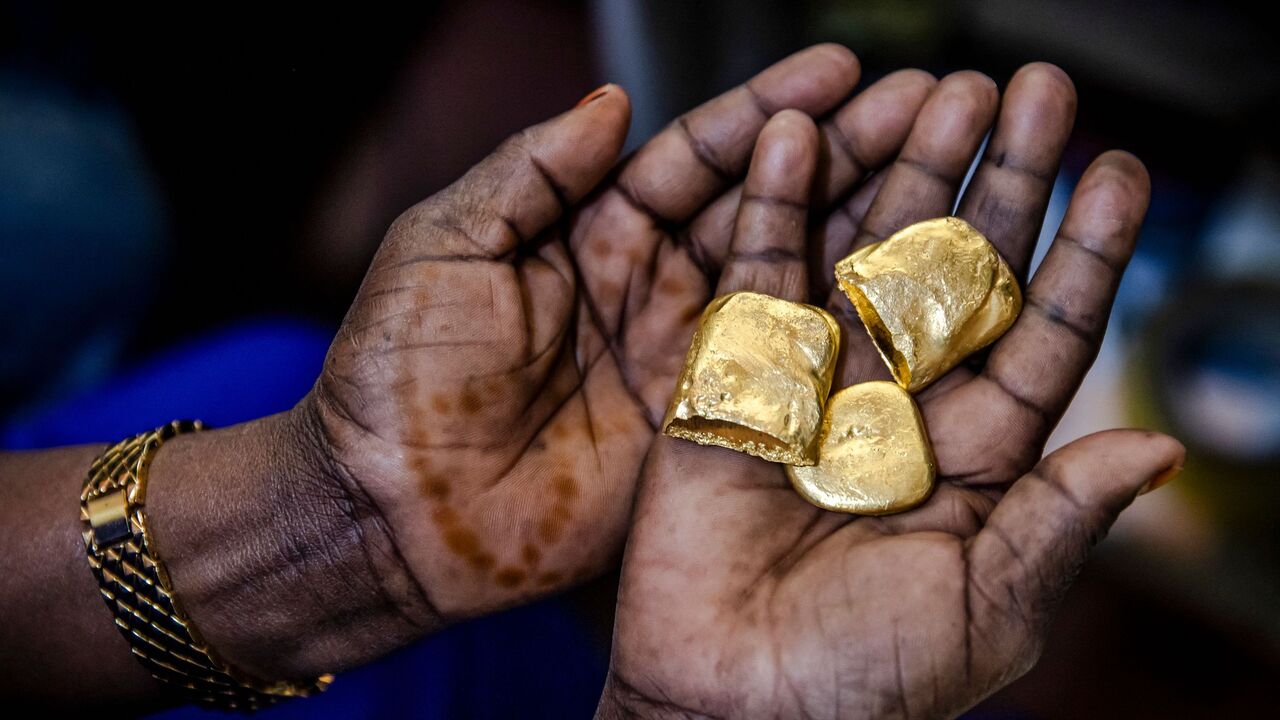
Dubai International Airport serves as a pivotal transit point for vast quantities of gold entering the UAE, where more than 400 tons are smuggled annually from Africa, valued at approximately $30 billion. Travelers often carry gold in hand luggage without checks, facilitating the unregulated flow of unrefined and refined gold into the market.
The city has established itself as a global center for gold refining and trading since the 1900s, with no tariffs on imports, attracting traders from Africa and other regions. Its strategic location, combined with a network of flights from African countries and lax border controls, enables widespread smuggling operations that often go unchecked.
Most of this gold is carried with hand luggage, and once it enters Dubai, it is melted, refined, and sold legally.
The Mechanics of Gold Smuggling and Laundering
A significant portion of African gold exports to Dubai is unaccounted for, with over 400 tons missing from official import figures, suggesting widespread smuggling. This discrepancy stems from weak regulatory frameworks, corruption, and the ease of bypassing border controls, especially at African airports where gold is often carried as hand luggage without scrutiny.
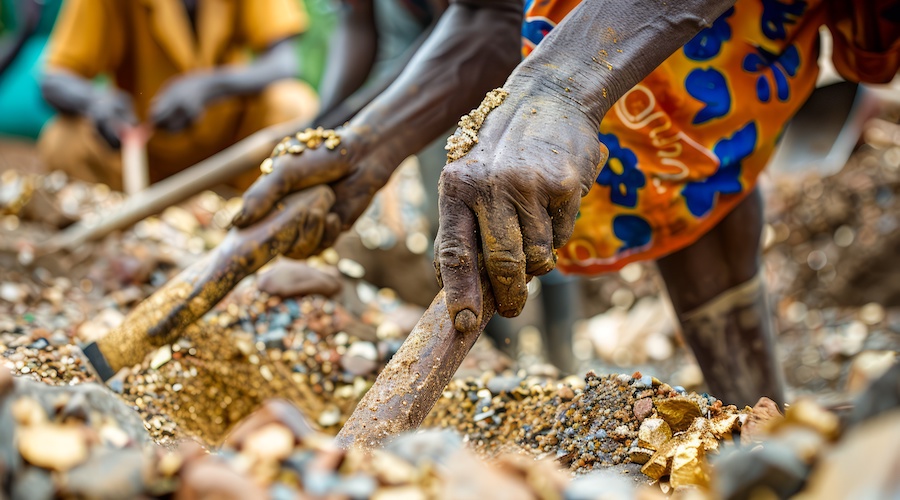
Research indicates that many African countries lack the infrastructure and laws to regulate large-scale gold mining, leaving a vacuum filled by artisanal and small-scale miners. Armed groups and militias frequently seize control of gold mines during conflicts like Sudan's ongoing war, turning gold into a commodity for funding weapons and sustaining violence.
There is more than 400 tons of gold missing, a clear sign of smuggling, driven by weak regulation and armed groups seeking control of lucrative mines.
Sudan's Gold Industry: A Hotbed of Corruption and Conflict
Sudan's long history of conflict, combined with economic collapse following the secession of South Sudan, has left the country rich in gold but plagued by unregulated mining. The government, unable to hire international firms due to sanctions, handed out contracts to generals and rebel leaders, many of whom have been involved in smuggling operations.
Reports from 2017 and 2018 reveal detailed instances of gold smuggling at Khartoum's airport and port, including a barrel of sand samples found to contain raw gold and attempts by paramedics to smuggle gold bars hidden inside oxygen cylinders. These activities highlight the extent of illicit trade fueling the country's ongoing turmoil.
In Sudan, gold exports are often linked with armed groups and informal networks that thrive amid chaos and weak regulation.
The Role of Key Figures and Armed Groups
Powerful figures like Muhammad Hamdan Dagaloo, leader of the Rapid Support Forces, have taken control of major gold mines such as Jabal in North Dur. These groups, originating from militias charged with war crimes, now oversee gold production, transforming natural resources into tools for economic and military leverage.
The privatization of gold mining during Sudan's conflict years, coupled with a lack of official oversight, has turned the industry into a nexus of corruption, violence, and illicit trade, with armed groups profiting from the gold rush in the midst of ongoing civil war.
Leaders like Hametti have seized control of key mines, turning gold into a weapon in Sudan’s ongoing conflict.
Global Implications and the Broader Economic Context
The surge in gold prices over the past decades reflects global economic anxiety, with countries seeking alternative reserves amid declining confidence in the petrodollar and US currency. Central banks in China, India, and Russia are increasingly turning to gold as a safeguard, intensifying demand and driving up prices.
This pursuit of gold as a secure store of value has inadvertently fueled illicit flows, especially through Dubai, which acts as a gateway for unregulated trade. The interconnectedness of regional conflicts, economic shifts, and global currency tensions underscores the complex web behind the gold trade.
As countries seek independence from US currency, they turn to gold, fueling demand that supports illicit flows and conflicts.
Looking Ahead: The Risks of Unchecked Gold Flows
The ongoing flow of smuggled and unregulated gold poses significant risks to stability in Africa and the broader geopolitical landscape. With armed groups controlling mines and international markets turning a blind eye, the industry remains vulnerable to fueling conflicts and corruption.
The challenge for regulators and international actors is to implement effective oversight mechanisms that can break the cycle of illicit trade. Without such measures, the lucrative gold industry may continue to serve as a funding source for war, destabilizing already fragile states.
Unless oversight improves, the gold trade will remain a potent weapon fueling conflict and corruption across Africa and beyond.